The Moment That Changed Everything
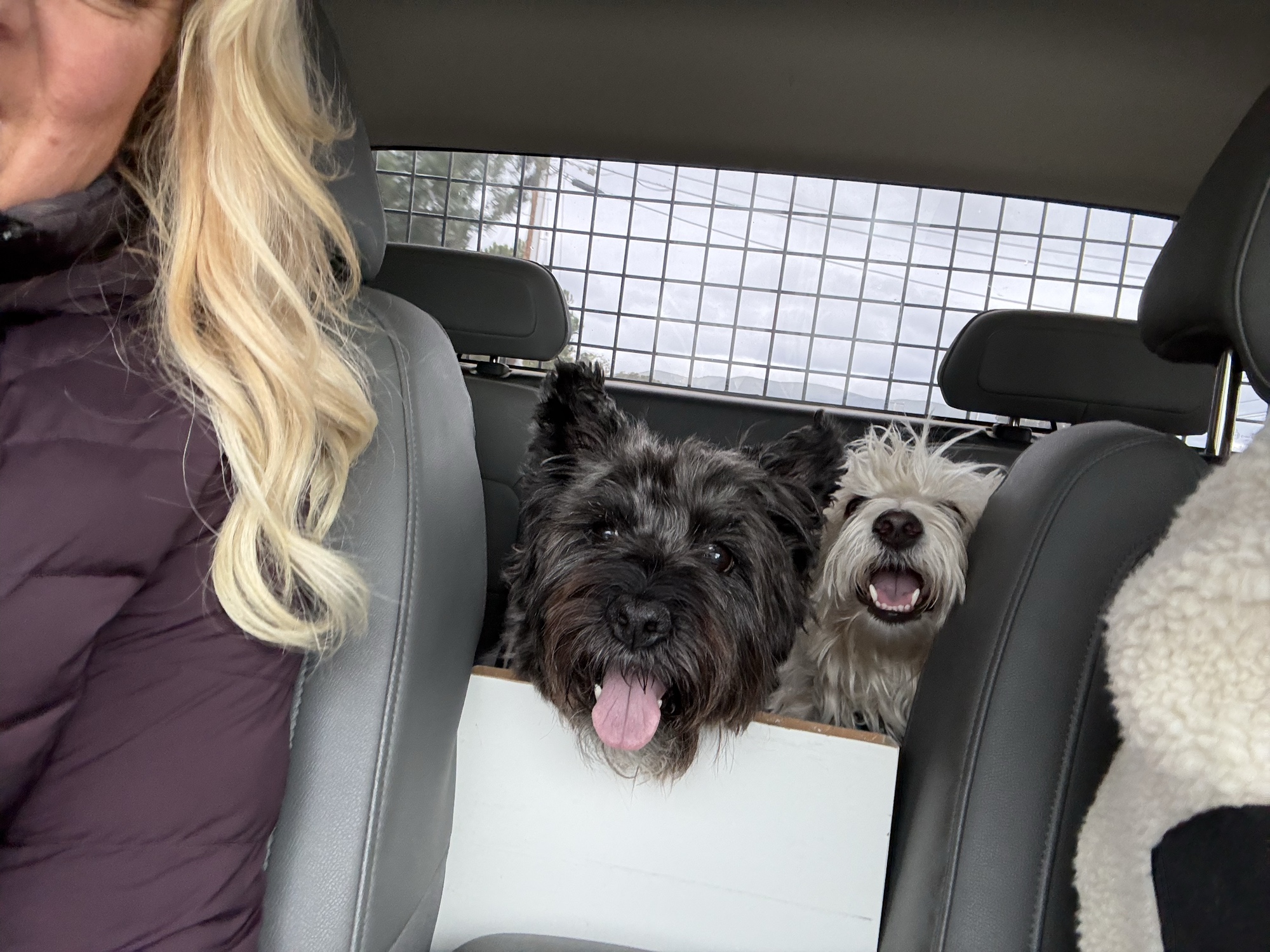
It was a Friday afternoon in late spring, bags half-packed for a long weekend up the coast, when we made the call. We looked at each other, looked at the dogs — Mister, our little black terrier, already circling with that pent-up pre-trip energy, and Missy, our white one, sitting impossibly still as if she already knew — and said the thing we'd been circling around for months: They're coming. From now on, they're always coming.
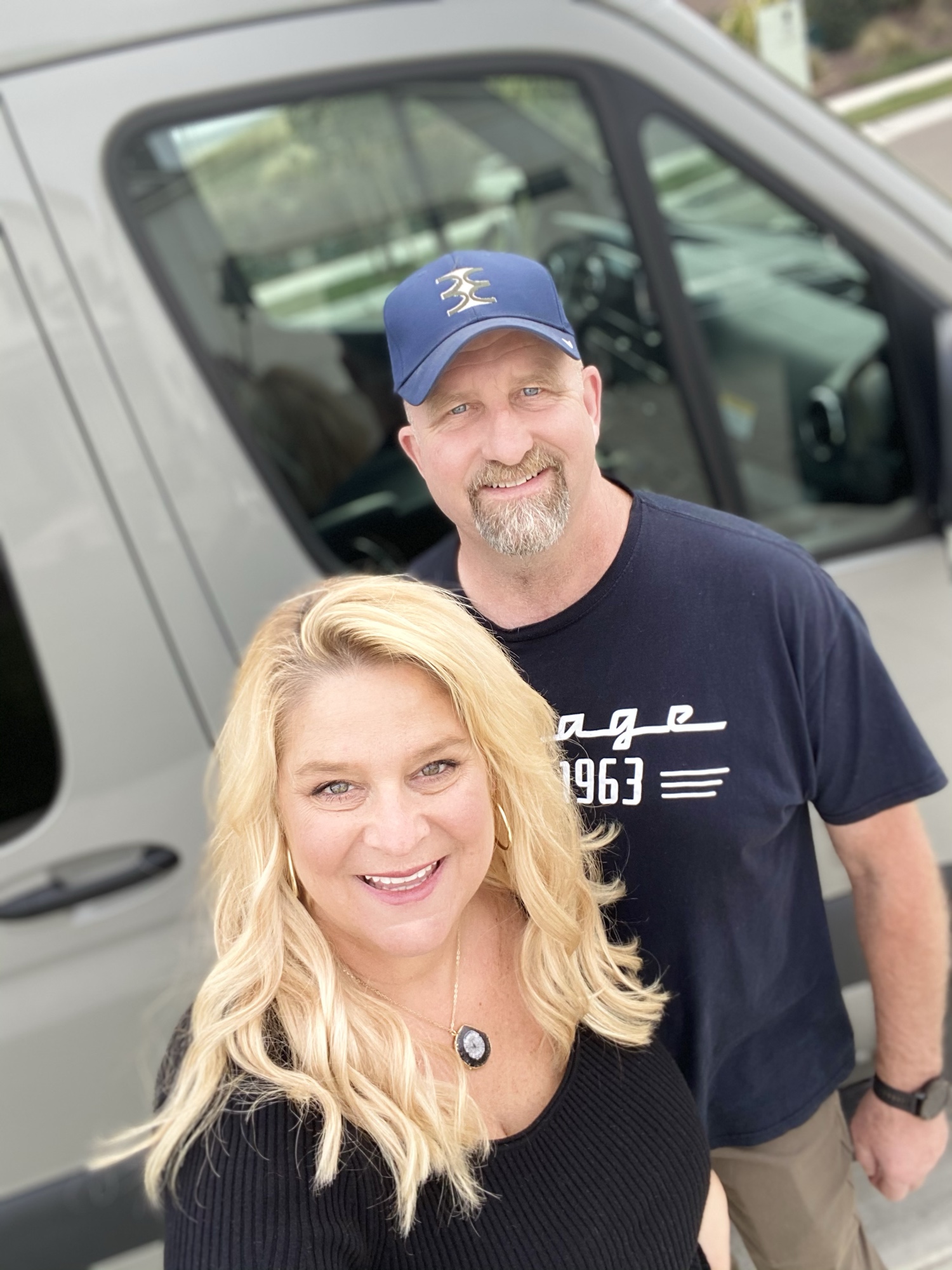
That decision made everything more complicated and infinitely better. Road trips with two terriers require more planning, more flexibility, and a lot more snacks (for everyone). But we've never once looked back. Maverick, our custom Sprinter van, is officially a four-person operation, and the dogs would have it no other way.
Here's everything we've learned — the hard way, the fun way, and the way that involved a squirrel and a very long campground chase.
The Pre-Trip Checklist
Traveling with dogs isn't just a "throw a leash in the bag" situation. We keep a dedicated dog travel kit that lives in Maverick and gets refreshed before every trip.
Vet records and health certificate. Some state parks, campgrounds, and even certain pet-friendly hotels require proof of current vaccinations. A health certificate from your vet — typically good for 30 days — can save you from a turned-away arrival at the gate. We keep digital copies in our phones and a laminated hard copy in the glove box. If you're crossing state lines frequently, check requirements ahead; a few states have specific rules for dogs entering from out of state.
Updated ID tags and microchip. This is non-negotiable. Every trip, we confirm both dogs have current tags — our cell numbers, not the home landline that nobody calls — and that their microchip registration is up to date. Dogs get spooked in unfamiliar places. It happens fast. Make sure if they bolt, someone can reach you.
First-aid kit for dogs. We carry a dedicated kit with gauze, antiseptic wipes, tweezers (for ticks and foxtails — a real concern in California), styptic powder, and a digital thermometer. A small flashlight and a list of emergency vet clinics along our route round it out. We've used it twice. Both times, we were glad we had it.
Food, treats, sealed containers. We pre-portion their meals in a sealed container system — no overfeeding on the road, no last-minute pet store runs. Treats live in a dedicated zipper bag clipped to the inside of the van door. Routine matters for dogs, especially terriers.
Collapsible water bowl and tie-out stake. The silicone collapsible bowl clips to our gear rack and comes out every time we stop. Hydration is the thing most dog owners forget until their dog is panting. The tie-out stake with a long lead lives in the back pocket of Maverick's cargo area — perfect for camp when we need them secure but not crated.
Car Setup for Dogs
We made one rule early and we've never broken it: no loose dogs in the vehicle. Ever. It's not a comfort thing — it's a safety thing. An unrestrained dog in a sudden stop becomes a projectile. Full stop.
In Maverick, we use a partition divider between the rear passenger bench and the cargo area. The dogs have the full back section to themselves — their own beds, their own blankets, their own smell. (Trust us, after three days on the road, that matters.) The partition is solid enough to keep them in place but has sight lines through to the front so they can see us. They like to check in.
We also run a small fan in the cargo area on hot days. Terriers have a lot of personality and not a lot of body mass — they don't regulate heat the way bigger dogs do. Good airflow back there has made a noticeable difference on summer drives. If you're in an SUV or crossover, a cargo barrier plus a travel crate with the door open gives you a similar setup.
What we don't do: no front seat, no laps, no jumping between seats while moving. This took about three weeks to train when we first started. Now it's just what the dogs know. They load up, they settle in, and they sleep most of the drive anyway.
Finding Pet-Friendly Accommodation
This is where so many dog-travel plans fall apart. "Pet-friendly" on a booking site can mean anything from "we welcome your dog" to "we tolerate dogs under 20 lbs if you pay a $200 fee and sign a waiver." We've been burned. Now we do our homework.
Our go-to search tools: The BringFido app is the first stop. It's built specifically for this and filters by location type — hotels, vacation rentals, campgrounds, even restaurants with dog-friendly patios. BringFido.com has reviews from actual dog owners, which tells you things the listing won't. Airbnb's filter for "pets allowed" is useful but always message the host directly before booking.
Questions we always ask before booking:
Is there a weight limit? Mister is small but Missy is a solid 22 lbs, and plenty of "pet-friendly" places mean under 15 lbs. Are there breed restrictions? Terriers occasionally get flagged as "terrier mix" which some properties lump into restricted categories alongside pit bulls. We've never had trouble once we explained, but it's worth knowing upfront. Is there a fenced yard or secure outdoor area? Huge bonus, especially for terriers who have strong prey drives and will squeeze under anything if a rabbit is on the other side.
Campgrounds are generally your best bet — most national forest and BPA campgrounds allow dogs with no size restrictions, just leash requirements. We've found State Parks to be more reliably dog-forward than National Parks, where trail restrictions can significantly limit what you can actually do with your dogs once you arrive.
On the Road
The rule Ernie swears by: stop every two hours. No exceptions. It doesn't matter if the dogs are asleep — they wake up stiff and agitated, just like we do after a long stint in a seat. Rest areas are the unsung heroes of dog road trips. Pull over, clip on the leashes, let them sniff every inch of the grass. Sniffing is mentally exhausting for dogs, in the best way. Ten minutes of sniffing a rest stop is worth an hour of driving for their stress levels.
We also shifted our drive windows after the first summer trip. We leave before 9am or push the drive to after 5pm. Midday summer heat in the Central Valley or the desert is brutal, and even with shade and fans, sitting in a vehicle on a hot parking lot surface raises the ambient temperature inside faster than you expect. The early morning drive is now our favorite anyway — the light is better, the traffic is lighter, and the dogs are at their calmest.
Pet-Friendly Hiking
This is where we do the most research before any trip, because getting to a trailhead and discovering dogs aren't allowed is genuinely heartbreaking (and a little embarrassing when you've been talking about "the hike" for three days).
The general rule: National Parks are restrictive. Many limit dogs to paved areas, parking lots, and a few designated roads. Leash requirements are strict and some trails prohibit dogs entirely for wildlife protection reasons. We love National Parks, but they're often not the right choice for a dog-centric trip day.
State Parks are usually better. California State Parks allow dogs on most paved and developed surfaces, and many trails permit leashed dogs. Two of our absolute favorites are close to home and have become go-to dog hikes for us:
Montaña de Oro State Park in SLO County is as close to perfect as it gets. The blufftop trails are open to leashed dogs, the scenery is dramatic in every direction, and the campground is dog-friendly with good sites. Mister loses his mind over the coastal smells. Missy just runs point on every switchback like she owns the place.
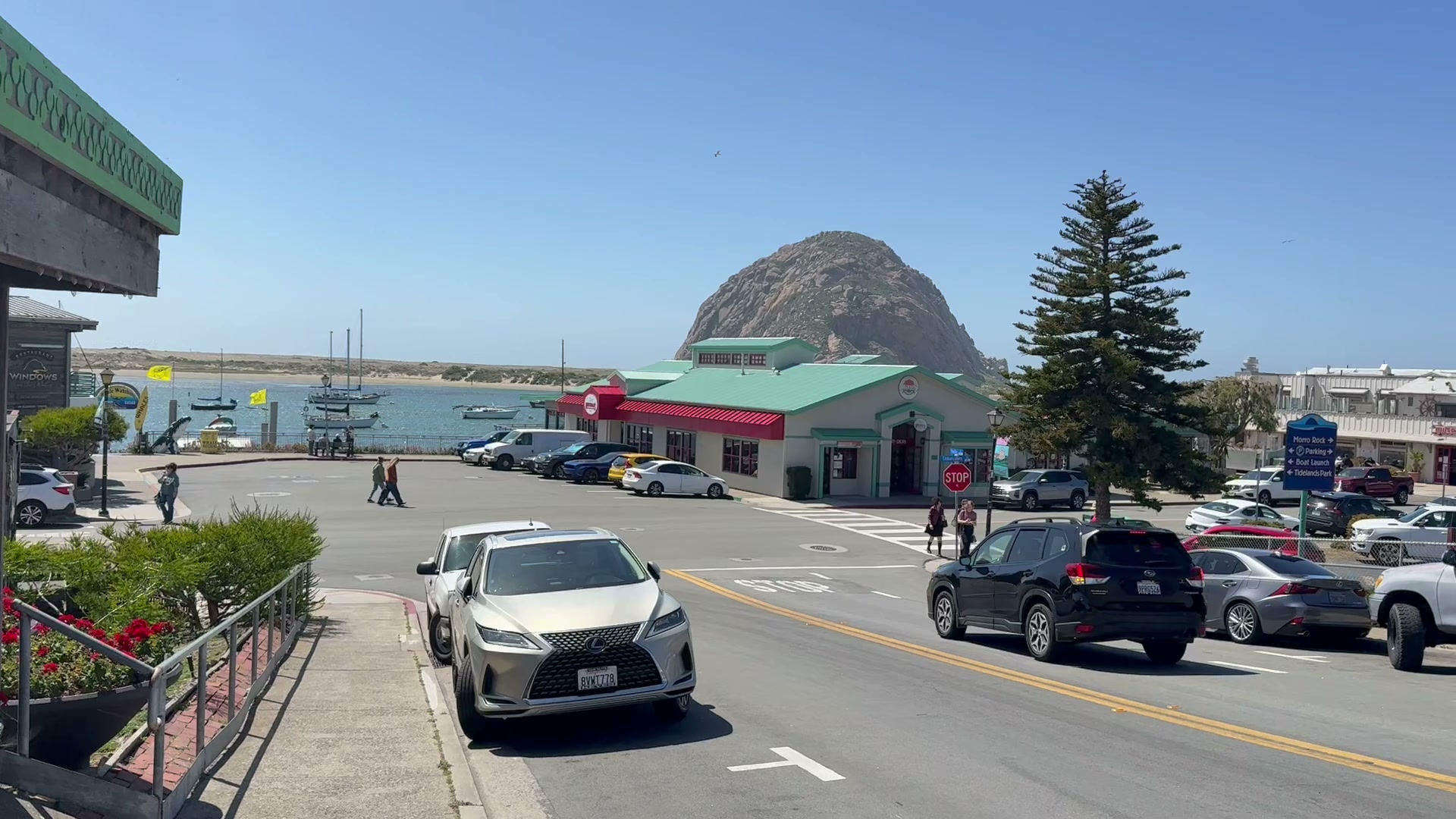
Morro Bay State Park is another favorite — the trails through the eucalyptus groves and along the bay are gentle enough for a post-lunch walk and beautiful enough to make you stop and stand still for a few minutes. Dogs on leash are welcome on most of the trails. The birds don't love it, but the dogs absolutely do.
Always call ahead or check the park website before you go. Trail designations change, seasonal wildlife restrictions apply, and we've learned not to assume.
What We've Learned — The Part Nobody Tells You
We planned for logistics. We didn't plan for what actually became the best part.
The dogs are the best icebreaker we've ever had. We are, by nature, moderately introverted people. Left to our own devices at a campground, we'd probably smile, nod, and read our books. But Mister and Missy don't have that filter. They trot toward people with complete confidence that everyone is there specifically to meet them, and nine times out of ten, they're right.
We have met more interesting, warm, genuinely funny people because of those two dogs than in any other way. Fellow travelers stopping to say hello. Campsite neighbors who turned into dinner companions. A couple in Arizona who ended up driving a similar route and shared their full knowledge of the best pull-outs on Route 66. It started because Missy sat down in front of their camp chair and refused to leave.
What Doesn't Work
We'll be honest about the friction, because anyone planning this deserves the full picture.
Leaving dogs in the van in summer heat is not an option, full stop. Even with windows cracked, even with a shade screen, even "just for 20 minutes" while you run into a restaurant — the interior temperature of a vehicle in direct sun climbs to dangerous levels in minutes. We've turned down restaurants, cut trips short, and rearranged entire days around this. It's worth it, but it requires real planning.
Restaurants without dog-friendly patios are a genuine limitation. We've gotten good at scoping out spots in advance (Yelp and Google Maps both let you filter for outdoor seating; BringFido has restaurant listings too). But there are still places we wanted to eat and couldn't, at least not together. We take turns. It's fine. We've had some really good solo hours in great restaurants that way.
Camping near wildlife corridors with terriers is an exercise in chaos management. Terriers were bred to hunt. That instinct does not turn off. A squirrel at a campsite is a full mobilization event. A rabbit near the tent at 3am is a crisis. We've gotten better about checking campsite surroundings and keeping them on the tie-out at night, but there have been incidents. Many incidents. We love them anyway.
Gear Recommendations
These are the items that have genuinely earned their space in Maverick. We've gone through the cheap versions and learned our lessons.
- Collapsible silicone travel water bowl — clips to the gear rack, unfolds in one second, holds enough for both dogs at a rest stop
- Car divider/partition for cargo area — the single most important safety purchase we've made for dog travel
- Dog first-aid kit — get one made for dogs, not repurposed human kit; the items are different
- Stake + 20-foot lead for camp — gives them real room to roam without the risk of bolting
- Cooling mat for summer travel — the pressure-activated kind; no water or refrigeration needed; Missy lives on hers from June through September
As Amazon Associates, we earn from qualifying purchases at no extra cost to you.