Here's the thing nobody in the travel content world wants to admit: most "budget travel" advice is either wildly out of date, dangerously obvious, or designed to sell you something. Stay in hostels! Cook your own food! Skip the tourist traps! Thanks. Very helpful.
We're Jill and Ernie. We've been taking trips — real trips, nice-ish hotels, good meals, actual experiences — for years on a budget that would make some travel influencers wince. And we've learned that the real tricks aren't about deprivation. They're about timing, systems, and knowing where the gaps are in how most people book travel.
Here's what we actually do.
The Shoulder Season Secret Nobody Talks About
Everyone says "travel off-season." But here's the more specific version: September and May are the two months that consistently deliver the best combination of lower prices, thinner crowds, and weather that's often indistinguishable from peak season.
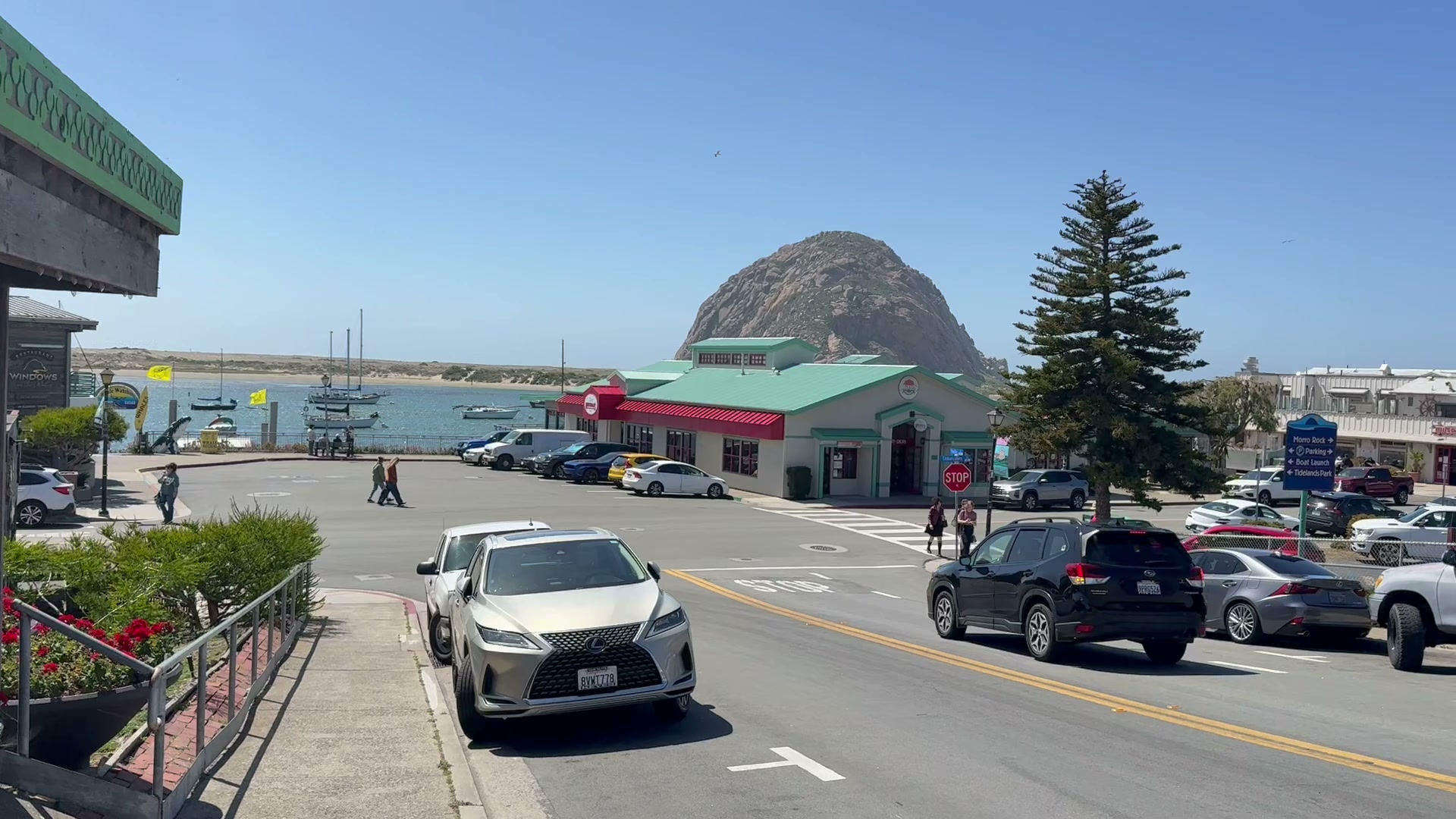
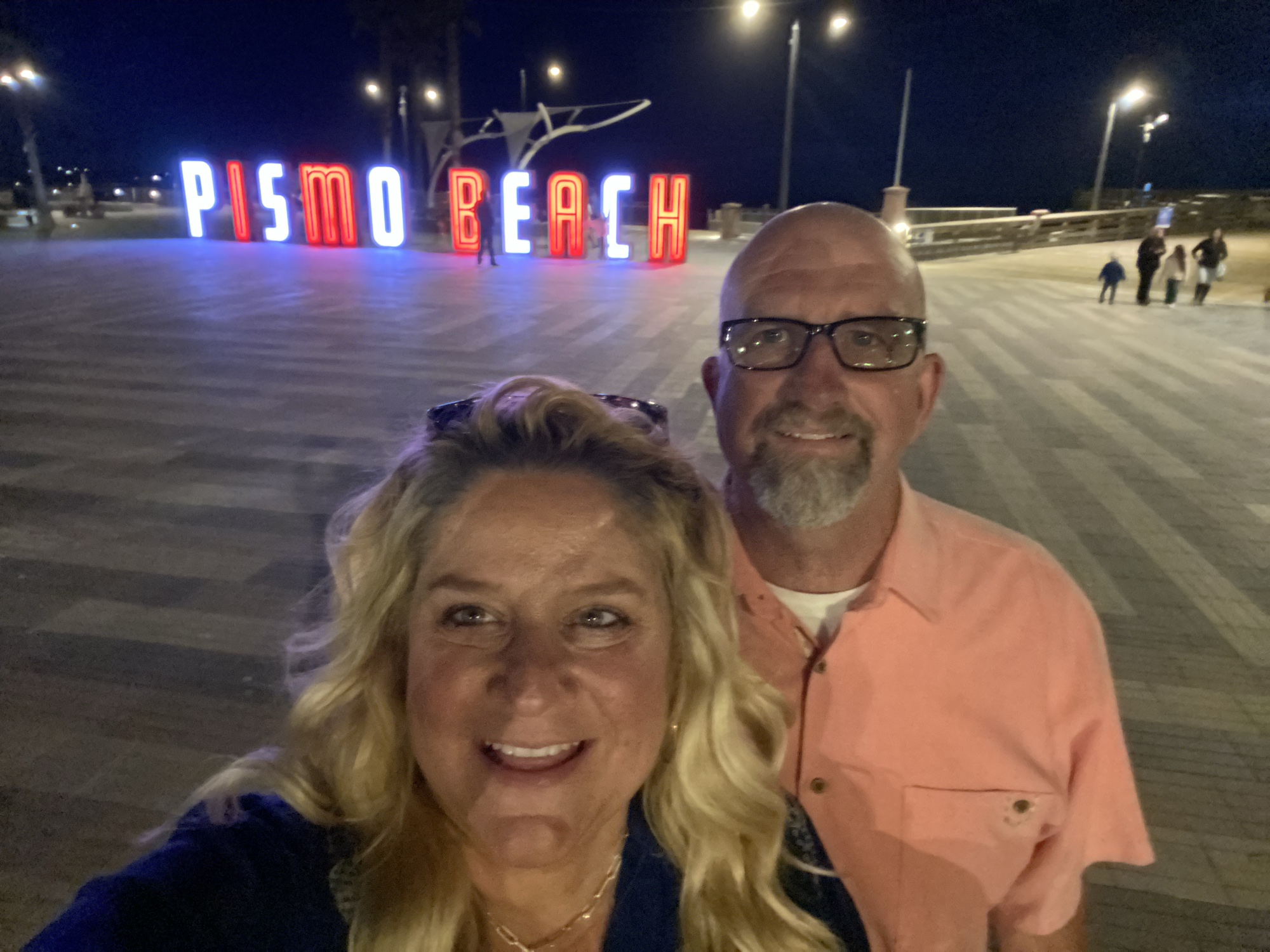
We did the California Coast in late September a few years back and it genuinely felt like a different destination than it does in August. Pismo Beach was half as crowded. Highway 1 had breathing room. The hotel we stayed in — same room, same property we'd looked at in July — was nearly 40% cheaper. Not a different class of property. The exact same room.
Think about it from the hotel's perspective: August is fully booked no matter what they charge. September? They need to fill rooms. You have leverage you simply don't have in peak summer. The same logic applies almost everywhere: coastal destinations in early September, European cities in May before school's out, ski towns in early December before the snow crowds arrive. The shoulder is where the value is.
Our rule: before booking any trip, look at the calendar one month earlier and one month later than our ideal date. The price difference is almost always eye-opening.
Credit Card Points Done Right (Not the Complicated Way)
We are not travel hackers. We do not have seventeen credit cards optimized for category spend. We do not track rotating bonus categories or pay annual fees on four different cards. That sounds exhausting, and we've watched friends do it and spend more time managing their points than they do actually traveling.
Here's what we actually do: one travel rewards card, used for everything. Groceries. Gas. The vet bill. The new set of tires. Everything runs through the same card, and we pay it off every single month without exception. The points accumulate quietly in the background, and about once a year we redeem them for a round-trip flight to somewhere we actually want to go.
The math isn't complicated. If you're spending $3,000–$4,000 a month on a card earning two points per dollar, you're looking at 72,000–96,000 points per year. That's a business-class flight to Europe or two round-trips domestic. Not bad for something you were already spending anyway.
The key is the commitment. Pick one card — just one — and route everything through it. The people who say "points don't add up" are usually splitting their spending across three cards and a debit card. Consolidate, and the math changes completely.
The Airbnb vs. Hotel Calculation Nobody Actually Does
For a one-night stay, a hotel usually wins. Convenient, no cleaning fees, breakfast might be included. But the math flips fast when you're staying three nights or more — especially as a couple — and almost nobody does the actual calculation before booking.
Here's the Airbnb case we keep coming back to: a place with a kitchen. Because breakfast is where hotel travel bleeds you dry. Two people, a sit-down hotel breakfast or a café nearby: you're looking at $35–$45 before you've even started your day. Every day. For a week, that's $245–$315 just on breakfast.
With an Airbnb kitchen, we stop at a grocery store the first night. Coffee, eggs, bread, some fruit, yogurt — $20, maybe $25. That covers breakfast for the entire trip. We also have a real space to decompress after a day of sightseeing, laundry if we need it, and — critically — free parking in most cases. In cities where parking runs $30–$50 a night, that alone can cover the difference in nightly rate.
We're not saying Airbnb always wins. Hotels have real advantages: the flexibility of a late checkout, a pool, someone making the bed. But for three or more nights as a couple who likes to cook one meal a day? Run the actual numbers. You'll usually find the Airbnb comes out ahead by more than you expected.
The "One Splurge, One Cheap" Meal Rule
This is maybe the single most practical thing we've settled on in years of travel, and we stumbled into it by accident. The idea is simple: every day on a trip, you have one meal that's genuinely special, and one meal that's intentionally cheap.
The special meal is the bistro you've been looking up for weeks, the farm-to-table spot the locals recommend, the tasting menu you've been saving for. You spend real money, you take your time, you enjoy every bite. No guilt.
The cheap meal is just fuel, and you don't pretend otherwise. A taco truck near the market. A deli sandwich eaten on a park bench. Leftovers from last night's groceries heated up in the Airbnb microwave. Something that costs $8–$12 for the two of you and leaves you satisfied without leaving a dent in the budget.
What we found is that the cheap meal actually makes the good meal better. When every dinner is a splurge, nothing feels special anymore. When you've been snacking on a $4 fish taco all afternoon, sitting down at a real restaurant feels like an occasion. You notice the food more. You appreciate it more. And you don't come home from a two-week trip feeling like you blew your savings on food — because you didn't.
The 48-Hour Booking Window for "Sold Out" Campgrounds
This one is genuinely underused, and we're a little reluctant to publish it because the more people who know, the more competitive it gets. But here it is: Recreation.gov, which handles reservations for most federal campgrounds, sees a constant stream of cancellations. And those cancellations don't all happen six months out when people first book. They happen in the final 48 hours before the reservation date, when someone's trip falls apart and they cancel to get their refund.
The playbook: check Recreation.gov at 7am Pacific time in the two days before you want to camp. Set up an alert if you can. Look for the campgrounds everyone says are "sold out" — Big Sur, Point Reyes, Yosemite Valley, the ones that appear fully booked the moment reservations open six months prior. In the final 48 hours, spots open up. Not always, not every campground, but often enough that we've used this to get into Big Sur twice, Point Reyes once, and a sold-out site in Yosemite that we'd completely given up on.
The key is flexibility on your end — you need to be able to say yes quickly when a spot appears, which means having the rest of the trip loosely enough planned to slot in a last-minute campsite. But if you can do that, you'll access some of the most spectacular camping in California that supposedly "no one can get into."
The Real Point: More Trips, Not Just Cheaper Trips
None of these tricks are about suffering through a vacation. We still eat well. We still stay in places we actually like. We still do the things that make a trip worth taking. But we've learned that the money you save on the mechanics of travel — when you book, how you pay, where you sleep, what you eat for breakfast — is money you can put toward the next trip.
That's the real math we keep coming back to. One $3,000 vacation a year, or six $500 weekends? We choose the six. Six different sunsets. Six different restaurants you've never been to. Six mornings waking up somewhere that isn't home, with nowhere to be but curious.
Budget travel isn't about deprivation. It's about making the money stretch so you can do it more often. The trips are the point. Everything else is just logistics.